make your life a thing of beauty, one hopeful step at a time.
envision.
I believe in the invisible; in hope, abundance, and possibility. I believe that hope is the opposite of cynicism, that abundant thinking manifests greatness, and that when we say yes to life, our path unfolds with a sense of meaning.

Thoughts from the Blue Chair
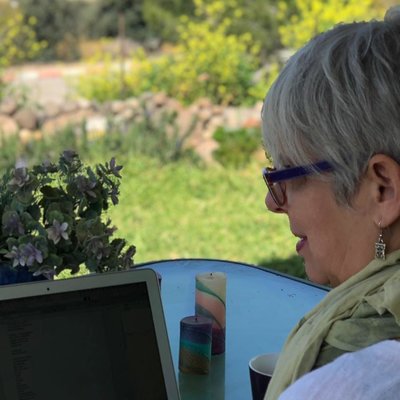
I come to this corner to sit, to breathe, to read, to think, to write, to meditate. As you read on, I would like to share a sneak preview of my latest writing, something I am reading, or a moment of inspiration to ground your day.
We are all broken,
working out the dents.
We are tender beings.
The fragments have sharp edges and carry sparks of light.
This is the truth of our humanity:
To take what is shattered, piece by piece,
and build a vessel of beauty, of compassion.
- karyn kedar
Build a Vessel of Compassion
“A relationship initiated by a spiritual seeker who finds a person of faith willing to pray and respond with wisdom and understanding to his or her questions about how to live spiritual in a world of ambiguity and distraction.”
- Henri Nouwen
As a Certified Spiritual Director I become a companion who, with you, creates a safe and quiet space. Together we enter into the sacred narrative of your life and discern your spiritual path. I engage in reflective listening and do not offer solutions or engage in a therapeutic process. I listen deeply, gently asking questions, and offering you a non-judgmental moment where you can connect with your spirit, discovering how the spiritual universe tugs at your soul.
spiritual teacher
We gather for a higher purpose, to discover the next big idea, to create a vision, to lift up the leaders, to find clarity, to refine our articulation of what we desire. In those moments two forces are at play; the genius of the group is revealed and the unspoken aspirations of the individual are given voice.
private sessions
workshops
contact
more info
more info
more info
more info
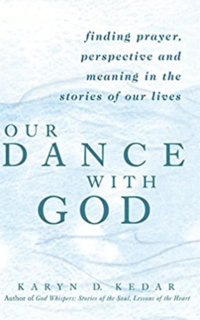
THE BOOKS
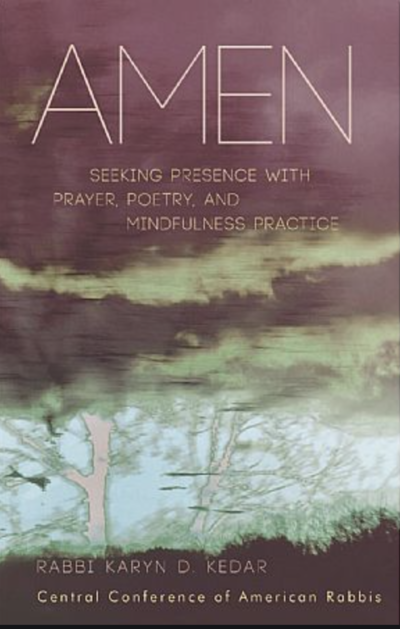
Amen: Seeking Presence with Prayer, Poetry and Mindfulness Practice
more info
This collection includes prayers for personal use, prayers for use at communal gatherings, prayers and readings for moments of grief and moments of joy, a collection of daily Psalms, and focus phrases and questions for meditation.
every day that we are gifted another moment of life,
we are offered an invitation to awaken the spirit...
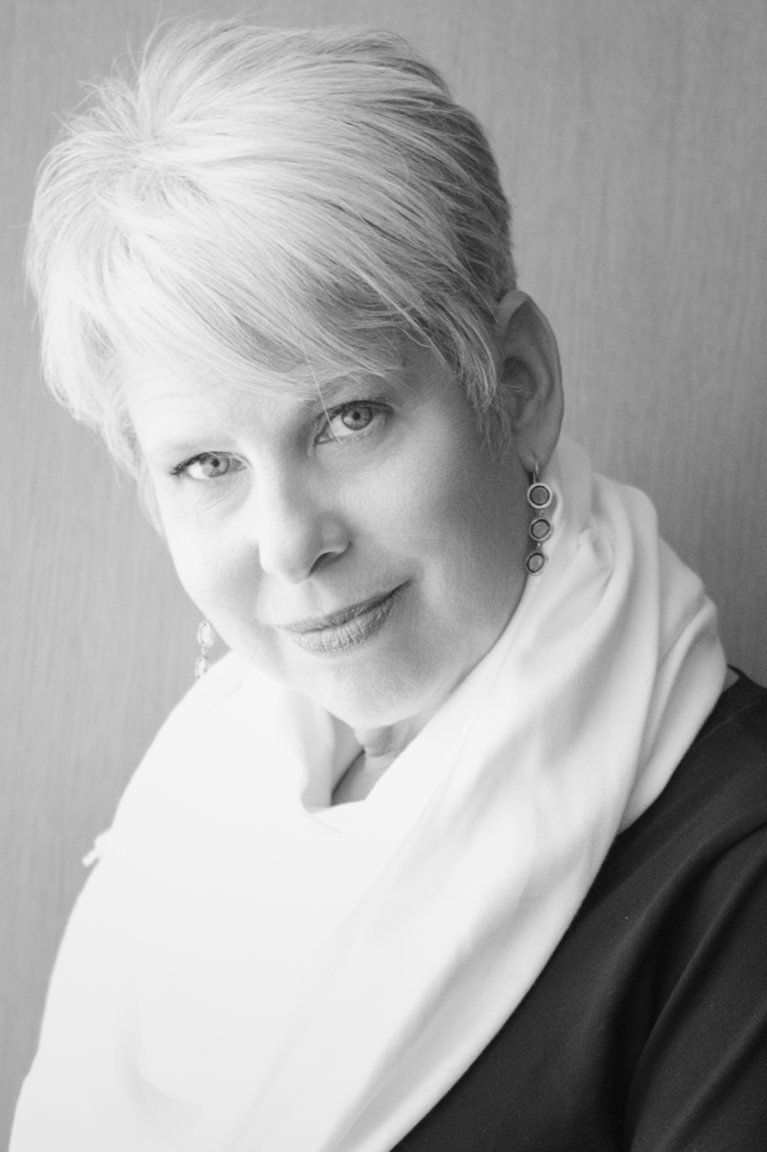
Karyn Kedar is an author, poet and inspirational speaker, writing and teaching with honesty and passion about mindfulness practice, forgiveness, beauty, struggle, healing and love. She is a Certified Spiritual Director, an ordained rabbi, and a teacher of mindfulness practice. She guides people of all faiths, as well as the seeker and the perplexed. She leads seminars, workshops, leadership training, and offers keynote speeches as well as and one-on-one and group counseling.
She writes, “Every morning that we are granted another day of life, we are invited to the miracle of awakening. Come to the edge of what you know and sit awhile. Find the courage to live fearlessly; to emerge and unfold; to create a life of meaning & purpose.”
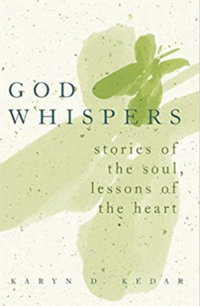
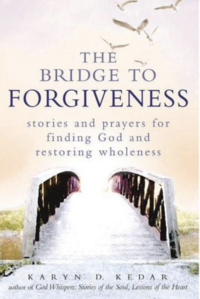
Her books include Amen: Seeking Presence with Prayer, Poetry, and Mindfulness Practice; God Whispers: Stories of the Soul, Lessons of the Heart; and The Bridge to Forgiveness: Stories and Prayers for Finding God and Restoring Wholeness. She is a contributing poet, liturgist and essayist to numerous anthologies.
Karyn and her husband Ezra live outside of Chicago, Illinois. Their three children, spouses and five grandchildren are all finding their paths in Israel.
about
Do not feel lonely. The entire universe is inside you.
- rumi